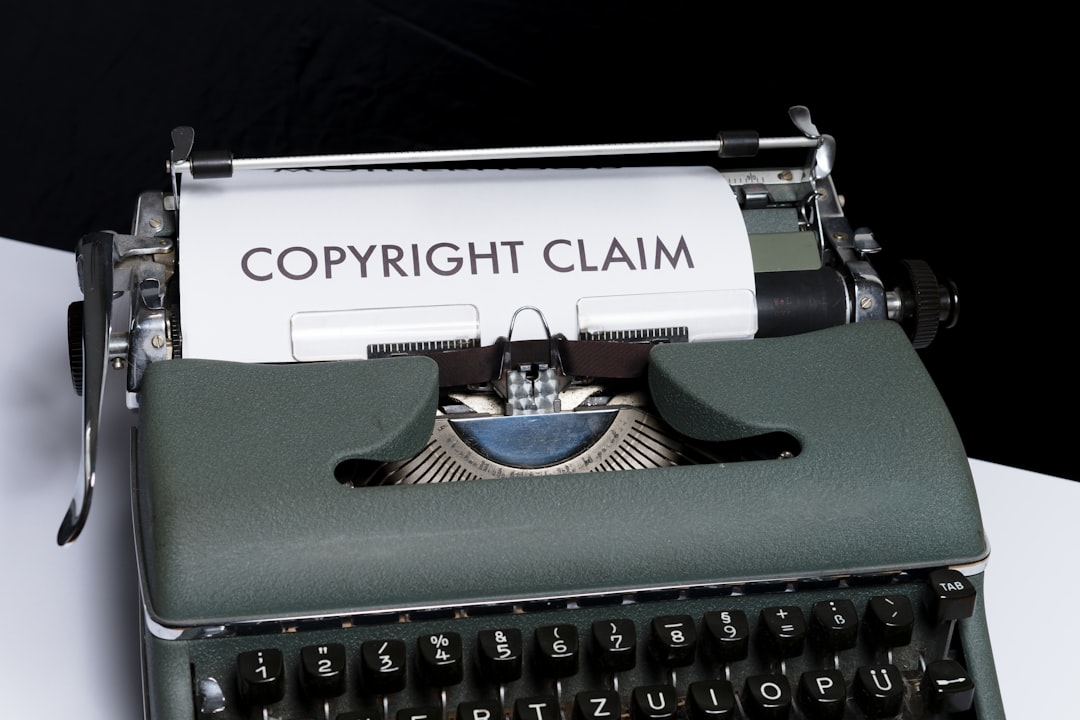
Intellectual Property Lawyer Guide to Protect Ideas Fast
So you made something.
Maybe it took you a weekend. Maybe it took you five years.
A logo. A little gadget that solves a problem. A story you wrote. A song you recorded.
It is yours. You put the work in.
And now someone else is using it. Or selling it. Or pretending they made it.
That feeling in your stomach? I know it. You want to stop them. But you are not sure how.
That is where an intellectual property lawyer comes into the picture.
Let me explain what these lawyers actually do, when you need one, and how to find someone who will not rip you off. I will keep it simple.
📚 More from Pengess:
A Few Things Up Front
Here are the short answers. Then I will explain each one properly.
| What you want to know | The short answer |
|---|---|
| What does this kind of lawyer do? | Helps you stop people from stealing your ideas and brand |
| How do I find one? | Look on the Law Society website or ask other business owners |
| Do I really need one? | Yes, if you have a brand or an invention that matters to you |
| What will it cost me? | Anywhere from £200 to £600 an hour |
| Can I just do it myself online? | You can, but you might mess it up and lose your money |
Keep those in the back of your mind. Now let me walk you through the rest.
What Does an Intellectual Property Lawyer Actually Do?
Let me start with a simple definition.
An intellectual property lawyer helps you protect things you created with your brain.
Not your house or your car. The invisible stuff.
Your brand name. Your logo. The thing you invented. The book you wrote. The design you drew.
Here is why that matters.
In a lot of businesses these days, the most valuable thing is not the building or the computer or the machine.
It is the name people trust. It is the secret recipe. It is the code you spent months writing.
That stuff has value. And when someone takes it, you are losing money.
So what does an intellectual property lawyer actually do all day?
They register your brand name as a trademark so no one else can use it.
They file patents for your inventions so you own them for twenty years.
They send angry letters to people who copy your work.
They sue people who ignore those angry letters.
They defend you when someone falsely accuses you of copying them.
Think of them as a guard dog for your ideas.
When Should You Actually Call One?
A lot of people wait until something bad happens.
Someone is already selling fakes on Amazon. Someone has already registered your business name as a website domain.
That is like calling a plumber after your kitchen has flooded.
The smart time to call an intellectual property lawyer is before anything goes wrong.
When you are starting a business.
You pick a name. You design a logo. You love it.
Before you print it on anything, have a lawyer check that no one else is already using it.
I have seen small business owners spend thousands on signs, packaging, and websites, only to find out someone else already owns that name.
One phone call to an intellectual property lawyer could have saved them all that money.
When you invent something.
If you have built something new, you want a patent.
A patent gives you the right to stop anyone else from making or selling your invention for twenty years.
Getting a patent is not easy. The paperwork is long. The language is weird.
One wrong word and your patent might be worthless.
A good intellectual property lawyer who does patents all day knows how to write them properly.
Trying to do it yourself is like doing your own brain surgery.
When someone copies you.
Maybe you already have a trademark. Maybe you have a patent. And someone is ignoring it.
You need a lawyer to send them a formal letter.
Most people stop when they get a letter from a lawyer.
They did not realise they were doing anything wrong. Or they hoped you would not notice.
If they do not stop, your intellectual property lawyer can take them to court.
When someone accuses you.
Sometimes you are the one getting the letter.
A big company says your logo looks too much like theirs. Or your product copies their patent.
Do not ignore that letter. Do not write back yourself. Call a lawyer.
An intellectual property lawyer will look at the claim and tell you whether to fight or settle.
Sometimes the big company is just bullying you. Sometimes they have a real case.
Either way, you need someone who knows the rules.
The Different Kinds of Protection
Let me break this down. Intellectual property law covers a few different things. Each one protects something different.
Trademarks.
These protect brand names and logos. The Nike swoosh. The McDonald’s arches. The Coca-Cola writing. Those are trademarks.
When you register a trademark, you are telling the world that the name or symbol belongs to you. No one else in your industry can use it.
You register a trademark with the UK Intellectual Property Office. It costs a few hundred pounds. It lasts ten years. Then you renew it.
An intellectual property lawyer will search first to make sure your name is not already taken. Then they file the paperwork. Then they handle any problems.
Patents.
These protect inventions. A new kind of engine. A new medical device. A new way of doing something on a computer.
Patents are the hardest part of intellectual property law.
The application is long and technical. You have to explain exactly how your invention works. You have to explain why it is new.
Once you get a patent, it lasts for twenty years. After that, anyone can copy it.
A patent intellectual property lawyer usually has a science or engineering degree. They understand the technical stuff and the legal stuff.
Copyright.
This protects creative works. Books. Music. Films. Photos. Software.
The nice thing about copyright is that you do not have to register it.
In the UK, copyright exists automatically when you create something original.
The hard thing is proving you created it first.
An intellectual property lawyer can help you gather evidence. Dates. Drafts. Emails. Things that prove when you made it.
Design rights.
These protect the way a product looks. Not how it works. How it looks.
The shape of a Coke bottle. The pattern on a pair of Vans. Those are design rights.
You can register a design with the UK Intellectual Property Office. It lasts up to twenty-five years.
Trade secrets.
Some things you do not register at all. You just keep them secret.
The recipe for KFC chicken. The formula for WD-40.
Trade secret protection lasts as long as you keep the secret.
If someone steals it, you can sue them. But if someone figures it out on their own, that is fine.
An intellectual property lawyer can help you write confidentiality agreements for employees.
They can also help you sue if someone leaks your secret.
How to Find Someone Good
Looking for an intellectual property lawyer near me? Here is how I would do it if I were you.
Start with the official lists.
The Law Society has a website where you can search for solicitors. Put in your postcode. Pick intellectual property from the menu.
The Chartered Institute of Patent Attorneys has a list of patent specialists.
The Chartered Institute of Trade Mark Attorneys has a list of trademark specialists.
Ask other business owners.
If you know anyone who owns a business, ask them who they use. Personal recommendations are worth more than any website review.
What to look for.
Someone who does your kind of work. A trademark lawyer is different from a patent lawyer. Make sure you are calling the right person.
Someone who works with small businesses. Some firms only want big corporate clients. They will take your money, but you will be low priority.
Someone who will talk to you for free first. Most good lawyers will give you fifteen or thirty minutes to see if you are a good fit.
Questions to ask before you hire anyone.
How many trademark applications have you done? Have you ever taken anyone to court? What happens if someone copies me? How do you charge? By the hour or a fixed fee? Will I be working with you or someone else in your office?
Red flags.
They promise you will definitely win. No good lawyer does that. They cannot explain things in simple words. They push you to spend money on things you do not need. They have bad reviews online.
How Much Will This Cost?
Everyone worries about this. Here is the truth.
Hourly rates.
Most intellectual property lawyer firms charge by the hour. How much depends on where they are.
A lawyer in a small town might charge £150 to £250 an hour. A lawyer in a regional city might charge £200 to £350.
A lawyer in London at a small firm might charge £300 to £500. A lawyer in London at a big firm might charge £500 to £800 or more.
Fixed fees for simple jobs.
Some lawyers will give you a fixed price for straightforward work.
A trademark search might cost £200 to £500. A trademark application might cost £500 to £1,500.
A cease and desist letter might cost £300 to £1,000. A review of a confidentiality agreement might cost £300 to £800.
Patents cost more.
A simple UK patent application might cost £3,000 to £6,000 in legal fees. Plus government fees.
A complex patent with international filings can easily go over £20,000.
How to keep costs down.
Ask for an estimate in writing before you say yes. Ask if they can do a fixed fee for your job. Keep your emails short and to the point. Do not call just to chat. Send an email instead.
Can You Just Do It Yourself?
You can. The UK Intellectual Property Office website lets you file your own trademark application. It costs about £170.
But here is the risk.
If you make a mistake, you lose that £170. The trademark office does not give refunds.
And you might not find out about your mistake until years later, when someone challenges your registration.
I have seen people file their own trademarks. They pick the wrong class of goods. They describe their product badly. The application gets rejected.
Then they have to pay a lawyer to fix it, which costs more than doing it right the first time.
So yes, you can do it yourself. But ask yourself how much your time is worth. And how much your brand means to you.
What Happens When Someone Copies You?
Let me walk you through a real example.
First. You notice it.
Maybe you are scrolling on Amazon, and you see someone selling a product that looks just like yours.
Or you see a new coffee shop with a name that sounds very familiar.
Second. You call an intellectual property lawyer.
You show them what you found. Screenshots. Links. Dates. The more you have, the better.
Third. Your lawyer sends a letter.
This letter says stop it or else. Most people stop.
They did not realise they were doing anything wrong. Or they knew, and they hoped you would not notice.
Fourth. Negotiation.
If they do not stop, your lawyer talks to their lawyer.
Maybe they agree to pay you something. Maybe they agree to hand over the fake products.
Fifth. Court.
If nothing works, your lawyer takes them to court. This is expensive. This is stressful.
Most cases never get this far. The threat of court is usually enough.
Mistakes I See People Make
Waiting too long.
If you know someone is copying you, act now. Every day you wait, they sell more fakes. Your brand gets weaker.
Not registering anything.
You cannot enforce rights you did not register. A trademark registration is a weapon. Without it, you are fighting with your hands tied behind your back.
Trying to save money by doing it yourself.
I have seen this backfire so many times. They mess up the application. They lose the fee.
Then they pay a lawyer to fix it. They end up spending more than if they had just hired the lawyer first.
Fighting every little thing.
Not every copycat is worth suing.
If someone in another country sells ten fake t-shirts a month, the cost of stopping them is more than the damage they cause.
A good intellectual property lawyer will tell you when to fight and when to walk away.
Ignoring a letter.
If you get a legal letter accusing you of copying someone, do not ignore it. Do not write back yourself. Call a lawyer.
The letter might be nonsense. Or it might be serious. Either way, you need advice.
Questions People Ask Me
A solicitor who helps you protect your ideas, your brand, and your creations. They register trademarks and patents. They send legal letters. They sue people who steal from you.
Look at the Law Society website. Or ask other business owners who they use. Or check the CIPA or CITMA directories.
Hourly rates are usually £200 to £600. Fixed fees for a trademark application are often £500 to £1,500.
No. You can do it yourself online at gov.uk/ipo. But a lawyer helps you avoid mistakes that could cost you later.
A patent protects an invention. A trademark protects a brand name or logo.
It depends. If you have a registered patent, yes. If you just had an idea but never did anything with it, probably not. The law protects the expression of ideas, not the ideas themselves.
The area of law that covers trademarks, patents, copyright, designs, and trade secrets.
One Last Thing
Your ideas have value.
The name you picked for your business has value. The thing you invented has value. The story you wrote has value.
An intellectual property lawyer helps you protect that value.
You do not need one for every little thing.
For a tiny local business, maybe you just get by with common sense.
For a simple trademark, maybe you file it yourself.
But when things get serious. When someone copies you. When you are getting ready to launch a product. When a legal letter shows up in the mail.
That is when you call a professional.
The money you spend on a good intellectual property lawyer is not a cost. It is a way of protecting what you built.
Do not wait until someone has already taken it. By then, it is harder to get back.
Leave a Reply
You must be logged in to post a comment.